Broth Fluency: How a New Wave of American Ramen Devotees Is Developing Sommelier-Level Bowl Intelligence
Photo: IndayLiburan, CC BY 4.0, via Wikimedia Commons
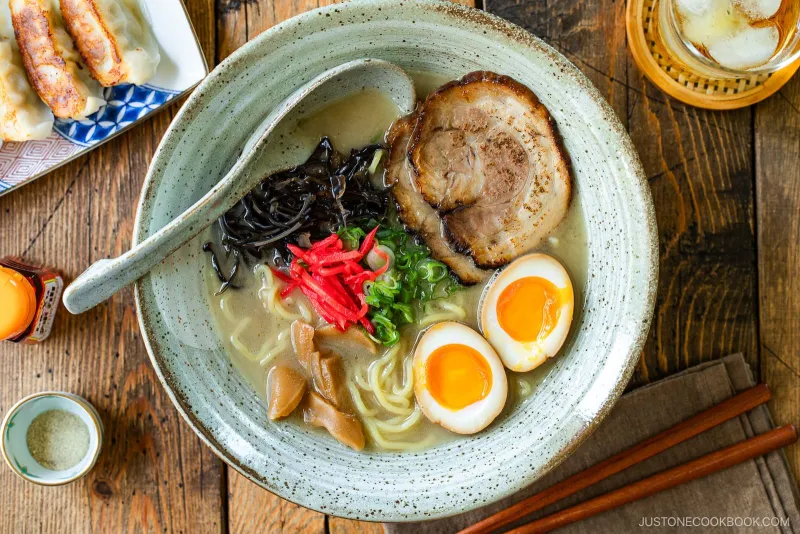
There's a particular kind of person who walks into a ramen shop and doesn't immediately reach for the menu. Instead, they pause. They ask the server what region the tare style leans toward, whether the fat has been skimmed or left intentionally heavy, and how long the bones went. They're not being difficult. They're being precise — the way a sommelier is precise when they lift a glass and start working through a mental checklist built over years of deliberate tasting.
This is what broth fluency looks like in practice, and it's quietly spreading across the American dining scene in ways that would have seemed absurd a decade ago.
The Wine World Left a Blueprint
Wine culture in the US spent decades building a vocabulary and appreciation framework that transformed casual drinkers into educated consumers. Terms like terroir, finish, mouthfeel, and structure moved from specialist jargon into everyday restaurant conversation. The result was an entire class of diners who could articulate what they were experiencing in a glass rather than just saying it tasted good or bad.
Something strikingly similar is happening with ramen broth — and the parallels aren't accidental. Many of the Americans developing serious bowl expertise came up through craft beer or natural wine communities first. They already understood the value of slowing down, paying attention, and building a personal sensory archive. Ramen just gave them a new medium.
The crossover makes sense on a scientific level too. Both wine and ramen broth are products of fermentation, long extraction, and deeply regional ingredient traditions. Both reward patience and punish shortcuts. And both have enough complexity baked into their chemistry that you genuinely can spend years learning to taste them better without running out of new things to notice.
What "Terroir" Means When You're Talking About Tonkotsu
One of the more fascinating developments in serious ramen appreciation is the way enthusiasts are borrowing the concept of terroir — the idea that a product carries the character of the place it came from — and applying it to Japanese regional broths.
A devoted home practitioner based in Portland who goes by the handle @brothnotes on social media describes it this way: "When I'm eating a bowl that's clearly in the Hakata tradition, I'm thinking about the soft water of Fukuoka, the local pork farming culture, the way that geography pushed cooks toward a specific kind of fat-forward, milky broth. That's not pretentious — that's just context. And context makes the flavor make more sense."
This kind of regional literacy is showing up in how serious enthusiasts organize their knowledge. Rather than simply cataloging restaurants they've visited, they're building mental and physical databases organized by prefecture, broth base, and tare style. Some keep spreadsheets. Others maintain handwritten journals with tasting notes that would look at home in a wine education program.
The four major broth categories — tonkotsu, shio, shoyu, and miso — function almost like grape varietals in this framework. Each has a base character, regional expressions, and a range of quality levels determined by technique and ingredient sourcing. Learning to move fluently between them is the foundation. The advanced work is understanding the infinite variations within each.
Building a Personal Flavor Database
Marcus T., a software engineer in Chicago who started taking ramen seriously after a trip to Tokyo in 2019, has logged over 200 bowls in a personal database he built himself. Each entry includes the restaurant, the style, a fat and salt intensity rating on a 10-point scale, notes on noodle texture and gauge, and a free-text field for flavor impressions.
"I started doing it because I kept forgetting which places I'd been to and what I'd ordered," he says. "But after about 50 entries, I started to see patterns in my own preferences that I hadn't consciously recognized. I'm apparently a shio person. I kept giving my highest marks to lighter, more aromatic broths even when I thought I was ordering tonkotsu because I was in the mood for something heavy."
That kind of self-knowledge — understanding your own palate well enough to predict what you'll love before you've tasted it — is exactly what sommelier training is designed to produce. The fact that Marcus arrived there through personal curiosity and a spreadsheet rather than a certification program doesn't make the expertise any less real.
The Vocabulary Problem (And How Enthusiasts Are Solving It)
One challenge the ramen appreciation world faces that wine culture had to solve much earlier is vocabulary. Wine has centuries of developed tasting language. Ramen, at least in an English-speaking context, is working from a much thinner lexicon.
Enthusiasts are addressing this in a few ways. Some borrow directly from wine — talking about finish, body, and balance in ways that translate naturally. Others are developing ramen-specific terms: the kohaku quality of a clear shoyu broth held up to light, the nuttiness that comes from heavily roasted tare, the roundness of a broth that's been seasoned with kombu and dried shiitake alongside the primary bones.
Online communities have become incubators for this shared vocabulary. Discord servers, subreddits, and Instagram threads function as informal tasting groups where people compare notes, debate terminology, and push each other toward more precise description. It's a grassroots version of the kind of standardization that wine education bodies spent decades formalizing.
Why This Matters Beyond the Bowl
Developing genuine expertise in something as specific as ramen broth pairing might sound like a niche pursuit — and it is, in the best possible sense. But what's happening in these communities points toward something broader about how Americans are relating to food.
The same generation that built craft beer into a multi-billion-dollar industry and turned natural wine into a cultural movement is now bringing that same energy to the ramen bowl. They want to understand what they're eating at a level that goes beyond flavor preference. They want historical context, regional specificity, and a framework for improvement.
For a restaurant like Menya Mugen, this shift in diner sophistication is genuinely exciting. The customer who walks in already knowing the difference between a Sapporo-style miso and a Sendai-style miso — who can articulate why they prefer a wavy noodle in a rich broth and a straight noodle in a clean one — is a customer who makes every bowl more meaningful to serve.
Broth fluency, it turns out, is good for everyone at the table.
Start Building Your Own
If you want to develop this kind of knowledge yourself, the entry point is simpler than it sounds. Start keeping notes. Not elaborate ones — even a quick voice memo after a meal about what stood out works. Pay attention to salt intensity and fat level separately, because they're easy to conflate. Notice the noodles as much as the broth; texture and gauge are part of the pairing equation.
And order outside your comfort zone. The fastest way to understand what you love is to spend time with what surprises you. The bowl you didn't expect to like is often the one that teaches you the most.