Too Many Bowls, Not Enough Direction: The Paradox of Ramen's Infinite Choices
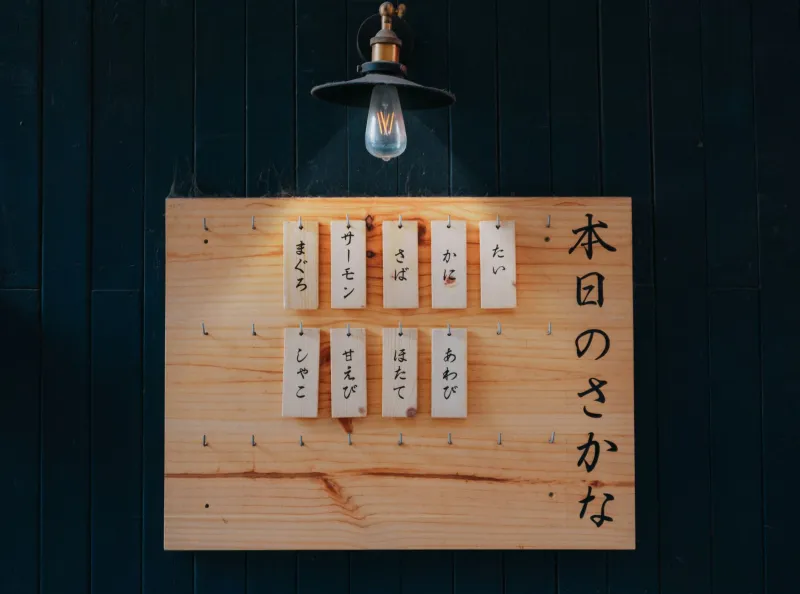
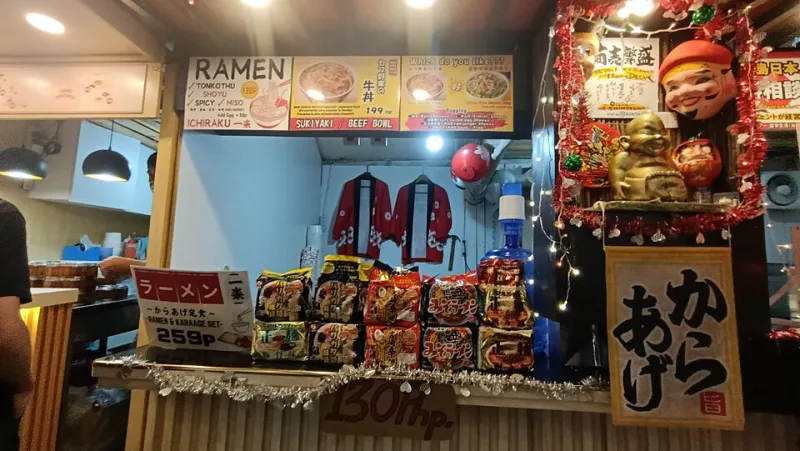
There's a particular kind of exhaustion that hits you in a great ramen shop. Not the satisfied, post-bowl heaviness that sends you out into the cold feeling like everything is going to be okay. This is a different feeling — the low-grade anxiety of standing in front of a menu board with fourteen options and realizing you genuinely don't know where to start.
Tonkotsu or shio? Straight noodles or wavy? Extra chashu or the soft-boiled egg upgrade? Spice level two or three? And wait — there's a seasonal special that might disappear by Thursday.
Ramen was supposed to be simple. Somewhere along the way, it became a decision tree.
When More Options Become a Problem
Psychologists have a name for what happens when too many choices crowd a decision. Barry Schwartz popularized the concept in his 2004 book The Paradox of Choice, arguing that an abundance of options doesn't make people happier — it makes them more anxious, more prone to regret, and less satisfied with whatever they ultimately pick. The more pathways available, the more weight each choice seems to carry.
Ramen, in its current American form, is a near-perfect case study.
Over the past decade, the US ramen scene has exploded in complexity. Shops that once offered three or four bowls now run seasonal menus, daily specials, regional rotating features, and customization matrices that can produce hundreds of technically distinct bowls. Online communities have made this complexity visible in ways it never was before — subreddits, Instagram accounts, and Discord servers dedicated to ranking, comparing, and debating every variation. Being a ramen fan used to mean loving noodles. Now it can feel like maintaining a part-time research habit.
For some people, that depth is the whole point. But for a quieter subset of serious enthusiasts, something has shifted.
The Devotees Who Chose Less
Talk to enough ramen regulars and you'll start to hear a counterintuitive pattern. The people who've been eating seriously for five, eight, ten years aren't the ones chasing the newest drop or the most elaborate bowl. They're the ones who've settled into something almost monastic — returning to the same shop, ordering the same bowl, week after week, and finding more in it each time.
It sounds like surrender. It's actually closer to discipline.
When you remove the decision from the equation, you free up attention. Instead of spending mental energy comparing your shoyu against a hypothetical miso, you start noticing things you'd been skimming past — the way the fat distributes differently on a cold night, how the noodles hold up in the last third of the bowl, whether the tare feels sharper or rounder depending on what you ate for lunch. Repetition becomes a kind of tuning.
This isn't a new idea. It's basically how serious coffee drinkers approach single-origin espresso, or how wine people talk about learning a single producer across multiple vintages. Depth requires return.
The Shop That Forces the Issue
Some ramen chefs have started building constraint directly into the experience. Shops with a single bowl on the menu — no substitutions, no modifications — are still rare in the US, but they exist, and they tend to develop cult followings fast. Part of the appeal is the confidence it signals. A chef willing to offer only one thing is telling you, quietly, that they've made a decision so you don't have to.
There's relief in that. Genuine relief.
It also changes the relationship between the diner and the bowl. When you can't customize, you stop trying to engineer the experience toward some imagined ideal. You meet the bowl where it is. And that shift — from consumer to guest — turns out to be where a lot of the pleasure was hiding all along.
The Anxiety Is Real, and It's Worth Naming
None of this is meant to argue that variety is bad. The explosion of American ramen styles, regional interpretations, and creative toppings has produced some genuinely extraordinary bowls that wouldn't exist in a more constrained landscape. Abundance created the conditions for experimentation, and experimentation created things worth loving.
But the anxiety is real, and it deserves to be named. When every bowl is a potential missed opportunity, eating stops being pleasurable and starts being evaluative. You're not tasting anymore — you're auditing.
Food science has something useful to say here too. Sensory fatigue is a documented phenomenon: the more stimuli you process in a short window, the less accurately you perceive each one. Ramen tourists who hit four shops in a day often report that the later bowls blur together, not because the food got worse, but because their palates ran out of bandwidth. Constraint isn't just psychologically useful — it's physiologically sensible.
Finding Your One Bowl
The ramen devotees who seem happiest aren't the ones with the longest lists. They're the ones who found their bowl — the specific combination of broth weight, noodle texture, and tare salinity that feels like home — and kept returning to it until they knew it the way you know a song you've heard a thousand times. Not bored by it. Deepened by it.
That kind of relationship with a bowl takes time. It takes choosing the same thing twice, then again, then again after that, in a culture that constantly rewards novelty and punishes repetition as a failure of ambition.
But there's a quiet argument to be made that the most interesting thing a ramen fan can do right now — in a moment of infinite options and curated abundance — is pick one thing and stay.
Not forever. Just long enough to actually know it.
And then, maybe, the bowl stops being a decision at all. It just becomes the bowl. Yours. Simple as that.