What Your Ramen Order Is Secretly Telling the Chef About You
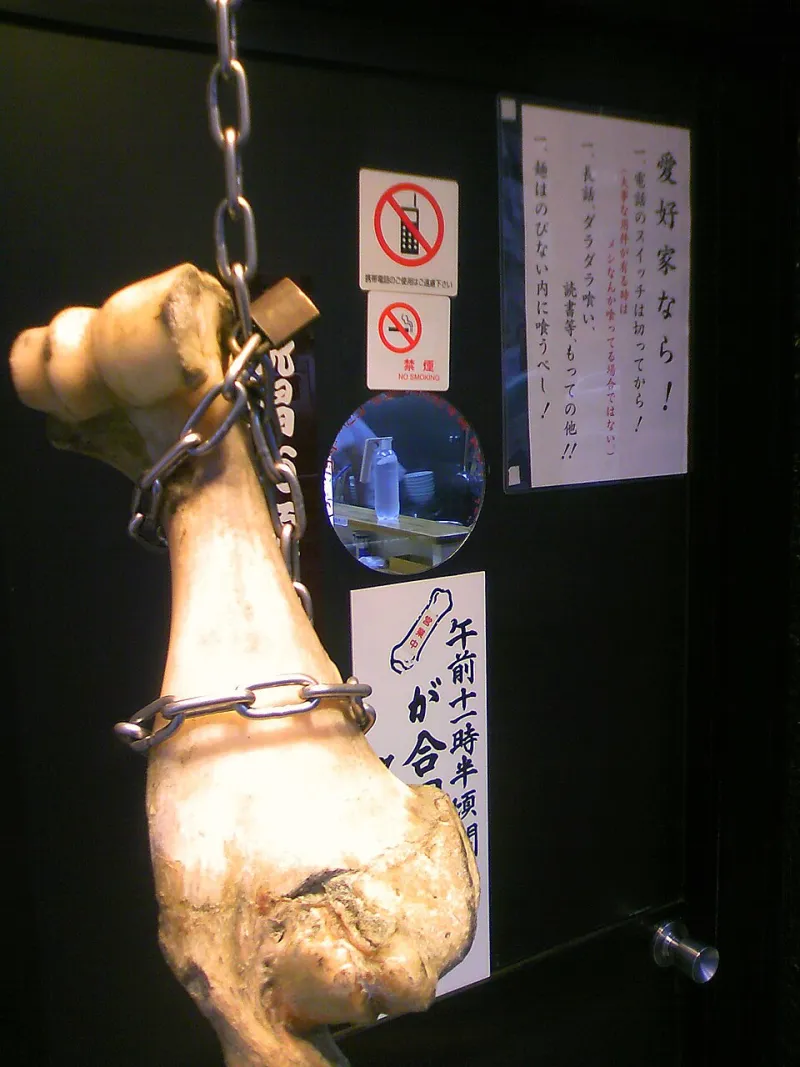
Photo: kc7fys, CC BY-SA 2.0, via Wikimedia Commons
You walk up to the counter, scan the menu for about four seconds, and order the same thing you always get. You don't think much of it. But behind the pass, the chef clocks it immediately — and if they've been doing this long enough, they've already started building a mental picture of you.
This isn't mysticism. It's pattern recognition, and it's one of the quietly fascinating things about working a ramen counter. After a few thousand bowls, you start to notice that certain orders cluster around certain types of people. The correlations aren't perfect, and they're definitely not destiny, but they're real enough that experienced chefs talk about it among themselves. We asked a few of them to share what they've noticed — and then we held a mirror up to the menu.
So: what does your usual order say about you?
The Tonkotsu Loyalist: You Know What You Want and You Want It Every Time
Tonkotsu people are a specific breed. Rich, opaque, pork-bone broth that takes the better part of a day to produce — it's the ramen equivalent of a strong opinion. And the chefs we talked to say tonkotsu regulars tend to be exactly that: people with strong opinions, low patience for ambiguity, and a deep personal loyalty to things that have earned their trust.
"Tonkotsu customers are usually the ones who've been coming in the longest," says one chef who's been running a counter in Houston for over a decade. "They found something they love and they stick with it. They're not here to experiment. They're here to have the experience they came for."
In personality terms, think: reliable, direct, slightly territorial about their favorites. The tonkotsu loyalist is probably also the person who has a go-to order at every restaurant they've been to more than twice. They're not boring — they just know the difference between exploration and satisfaction, and they choose satisfaction on a Tuesday night.
If this is you: try the extra-rich version next time, or ask about a black garlic oil add-in. You'll stay in your comfort zone but with a little more depth.
The Shoyu Purist: You Appreciate Restraint and You're Probably a Great Cook
Shoyu ramen — clear, amber-tinted, built on a carefully balanced chicken or dashi base — is the choice of people who understand that simplicity is hard. There's nowhere to hide in a shoyu bowl. The broth has to be immaculate. The noodles matter more than they do in a heavier style. Every element earns its place or it doesn't belong.
Chefs tend to notice that shoyu orders spike among customers who ask follow-up questions about the broth. "They want to know if it's double soup or single, whether there's any pork in the base, how the tare is made," says a ramen chef based in New York's East Village. "Those are the customers who cook at home. They're reverse-engineering while they eat."
The shoyu purist is probably detail-oriented, values craft over spectacle, and has opinions about things most people don't think twice about — knife brands, coffee grind size, the correct way to fold a fitted sheet. They're also usually the ones who leave the most thoughtful reviews.
If this is you: branch out to a shio bowl sometime. It's even more delicate, and it'll either confirm your love of restraint or send you running back to tonkotsu.
The Spice Escalator: You're Chasing Something
Every ramen shop has at least one customer who asks for the heat level bumped up every single visit. Level 3 last time? Level 4 this time. "Can you make it hotter than the hottest thing on the menu?" Chefs have a name for this type, and it's usually affectionate.
The spice escalator isn't just after heat for its own sake — they're chasing a feeling. Capsaicin triggers endorphin release, which means spicy food genuinely produces a mild euphoric response in the brain. The people who keep pushing the dial are, in a real neurological sense, optimizing for that response. They're also, in most cases, highly sensation-seeking in other areas of their lives.
"The spice people are usually the most fun at the table," one chef told us with a laugh. "They're adventurous, they like to talk about what they're eating, and they're almost never the ones who complain that something is too bold."
If this is you: try a tantanmen or a spicy miso base if you haven't. The heat in those styles comes layered with sesame and fermented complexity — it's a different kind of burn, and it might actually satisfy you more than pure chili oil ever could.
The Customizer: You Have a Vision and You Need the Kitchen to Share It
"Can I get the tonkotsu, but with the shio tare instead, extra noodles, no menma, add corn, and can you put the chashu on the side?"
Every chef knows this customer. The customizer isn't being difficult — they genuinely have a specific experience in mind and they're trying to architect it. Chefs who've thought about this say the customizer tends to be someone who spends a lot of energy managing their environment: the person who rearranges the furniture when they move into a new place, who has a very particular morning routine, who reads the entire menu twice before ordering.
There's actually something admirable about it. The customizer knows themselves well enough to have preferences, and they're confident enough to voice them. The chefs who enjoy this interaction most are the ones who see it as a collaboration rather than a complication.
If this is you: once in a while, try ordering something exactly as it comes. Chefs build their bowls with intention, and you might be surprised what you've been editing out.
The Adventurous Rotator: You're Here for the Journey
This is the customer who orders something different every single visit. New item on the menu? They're first in line. Limited-edition bowl? Already on their radar. They might not even have a favorite — or rather, their favorite is the act of discovery itself.
"These are my favorite customers to cook for," admits one chef flatly. "They're going to taste everything I make eventually. They're curious, they give good feedback, and they're never going to tell me my shoyu is worse than my tonkotsu because they love both."
The adventurous rotator tends to be someone who travels a lot, reads widely, and has a high tolerance for uncertainty. They're not attached to outcomes — they're attached to experiences. In ramen terms, they're the ones most likely to follow a chef from one restaurant to another, because they're loyal to the person, not the menu.
If this is you: you probably don't need our suggestions. But if you haven't tried ordering a bowl and then asking the chef what they'd change about it, try that next time. The conversation alone is worth it.
The Bowl Knows
None of this is science, exactly. Chefs are human, patterns have exceptions, and plenty of people order tonkotsu simply because it's delicious and they're hungry. But there's something real in the idea that the way we eat reflects the way we move through the world — what we trust, what we're chasing, how much we need to be in control.
At Menya Mugen, we've always believed the bowl is more than a meal. It's a conversation. And sometimes, the most interesting part of that conversation is what you didn't realize you were saying.