Concourse Cuisine: The Unsung Genius of Airport and Mall Ramen
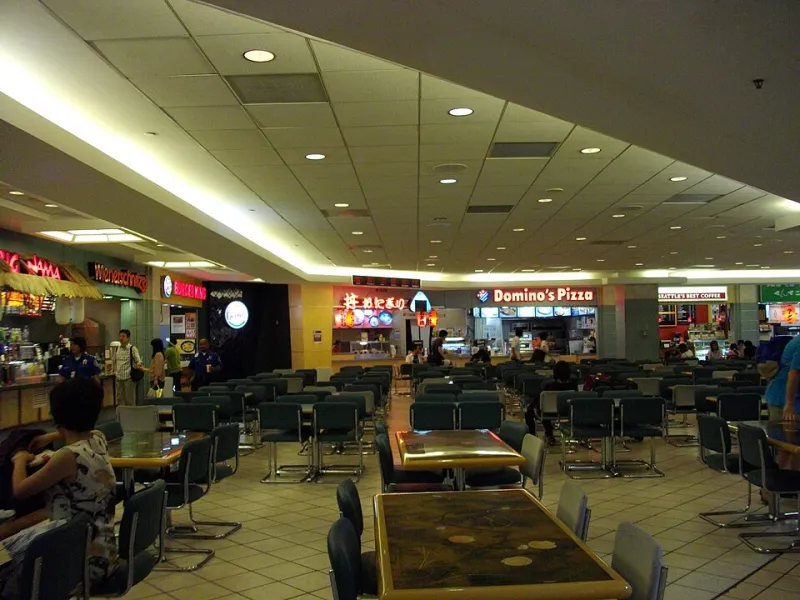
Photo: Abasaa, Public domain, via Wikimedia Commons
Let's get the snobbery out of the way first: yes, I have eaten ramen at an airport, and yes, I paid $19 for it, and yes, part of me resented every bite. But here's what that resentment missed, and what a lot of noodle obsessives keep missing: the bowl at Gate C14 might be doing more for American ramen than half the tasting-menu shops in Brooklyn.
The Harshest Laboratory in Food Service
Think about what a ramen shop at a major airport is up against. Rent per square foot that would make a Manhattan landlord blush. A labor pool drawn from whoever can reliably get through security. Ingredients that must clear logistics chains designed for shelf stability, not freshness. A customer base that is, by definition, in transit — stressed, rushed, and one flight delay away from a meltdown.
And yet. Walk through Sea-Tac, Denver International, or JFK's newer terminals and you'll find noodle shops doing things that would be impressive at street level. Broths cooked in compressed, high-pressure rigs that extract collagen in hours instead of the traditional half-day. Tare systems built for consistency across shifts with rotating staff. Noodle machines calibrated to hold texture through the longest possible ticket-to-table window, because your bowl might sit for four minutes while you find an outlet to charge your phone.
This isn't dumbed-down ramen. This is ramen under constraint, and constraint is where food science gets interesting. The chefs working these outposts are solving problems that white-tablecloth noodle bars never have to think about, and their solutions are quietly migrating back into the broader industry.
Captive Audiences Breed Bold Experiments
There's a counterintuitive upside to having no choice in your customer: you can take swings. A neighborhood ramen shop lives and dies on repeat business, which pushes menus toward safe crowd-pleasers. An airport shop will never see ninety percent of its customers again. That changes the math entirely.
The result is a strange experimental freedom. I've had a smoked chicken paitan at a Texas highway travel center that I still think about. A food court stall in a suburban New Jersey mall ran a rotating regional specials menu — Hokkaido miso one week, a tonkotsu the next — because the manager figured, correctly, that a captive audience with nothing else to compare it to would try anything. Some experiments flop. But the hit rate is higher than you'd guess, precisely because nobody in the building is there to be a critic. They're just hungry.
Where Ramen Actually Meets America
Here's the part that matters most. The traditional ramen pilgrimage — the specialty shop, the ticket line, the 15-bowl tasting flight — serves the converted. Airports, malls, and rest stops serve everyone else. For a huge swath of the country, their first real ramen isn't at a boutique shop with a six-month waitlist. It's between gates at O'Hare, or at a food court in a mall in Kansas, eaten slightly too fast with a carry-on wedged between their knees.
That first bowl matters. If it's a salt bomb from a heat lamp, ramen loses a potential lifelong fan. If it's genuinely good — and increasingly, it is — you've planted a seed in someone who didn't know they cared. I've lost count of the conversations that start with 'I had ramen at the airport once and it was actually incredible.'
The Case for Respect
None of this means transitional-space ramen is better than a master's bowl in a Yokohama alleyway. Of course it isn't. But we should stop treating the setting as a demerit. Feeding a stressed traveler a beautiful, technically sound bowl of noodles in eleven minutes is its own craft, one that deserves more credit than it gets.
So next time you're stranded at a concourse with a two-hour delay, skip the sad pretzel chain. Find the noodle counter. Order the broth. And eat it with the respect it deserves — because somewhere behind that counter is a chef solving harder problems than anyone in the tasting room.