The Last Ten Seconds: What Ramen Chefs Do Right Before the Bowl Reaches You
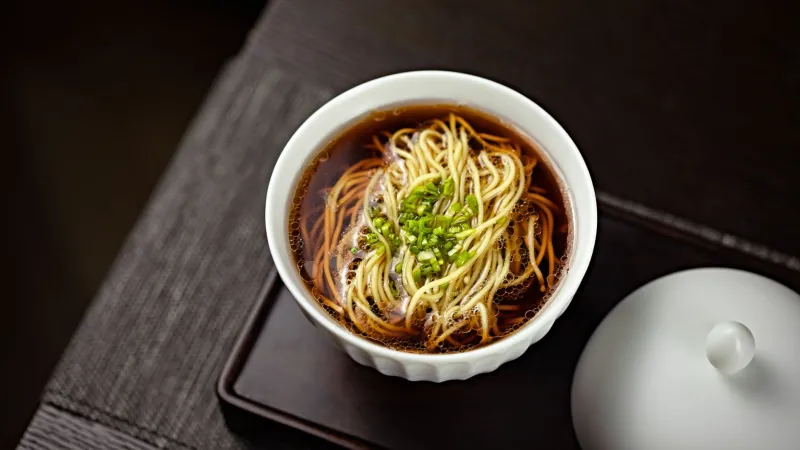
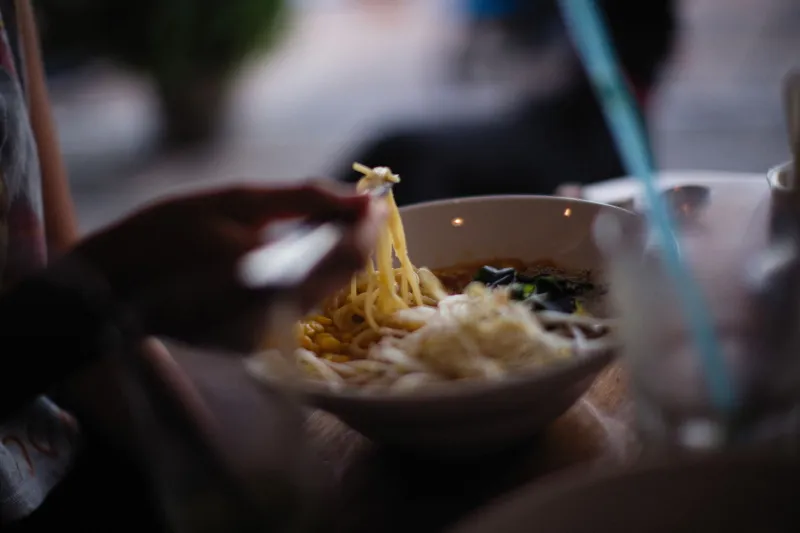
Watch a skilled ramen chef work a line during a busy dinner service and you'll notice something strange. After the broth is portioned, the noodles are placed, and the toppings are arranged, there's still a beat — a brief, deliberate pause — before the bowl moves toward the pass. Something happens in those last few seconds. A drizzle of something. A pinch of something else. A quick pass of heat, or a careful tilt of the bowl. Then it goes.
That pause is where the real work happens. And most diners never think to ask about it.
The finishing stage of ramen composition is one of the least-discussed elements of the craft, overshadowed by the more photogenic drama of long-simmered broths and hand-cut noodles. But among serious ramen chefs, it's treated as something close to sacred — the moment where intention becomes flavor, where a technically competent bowl either stays ordinary or tips into something worth remembering.
What "Finishing" Actually Means
In culinary terms, finishing refers to any adjustment made to a dish in its final moments before service. In French kitchens, that might mean mounting butter into a sauce. In ramen, it's considerably more varied and considerably less codified — which is part of what makes it so interesting.
At its most basic, finishing in ramen involves the tare (the concentrated seasoning base), the aroma oil, and whatever aromatics or garnishes go on last. But the how of those additions — the temperature, the quantity, the sequence, the placement — is where individual chefs express something that can't be easily replicated.
"The tare is the soul," says one ramen chef who runs a small shop in the Mid-Atlantic region. "But how you introduce it to the broth — whether you pour the broth over it or stir it in slowly or let it bloom from the heat — that changes everything about how it presents on the palate."
He's describing something that food scientists would recognize as flavor release dynamics: the way aromatic compounds become perceptible depends heavily on temperature, fat content, and the order in which ingredients interact. Add your aroma oil before the broth and it behaves differently than if you add it after. Float it on top versus stir it in and you get two distinct sensory experiences from the same ingredient.
The Aromatics Nobody Talks About
Aroma oils are probably the most underappreciated finishing tool in ramen. Unlike the base broth — which can cook for twelve, eighteen, sometimes twenty-four hours — a well-made aroma oil is often a relatively quick preparation that delivers an outsized sensory impact. Scallion oil. Chicken schmaltz. Burnt garlic oil. Sesame oil cut with something unexpected. These are the things that hit your nose before the bowl even reaches the table.
The placement matters more than most people realize. A chef who drops aroma oil directly into the center of the bowl creates a concentrated pocket of fragrance that the diner encounters on the first sip. One who drizzles it around the perimeter distributes that sensation more gradually. Neither approach is wrong — they produce different experiences, and a chef who's thought carefully about what they want the first sip to feel like will have a specific reason for choosing one over the other.
"I want the first smell to be the chicken fat," explains a chef in Austin whose shio ramen has developed a devoted following. "Not the broth, not the noodles — the fat. That's the welcome. Everything else comes after."
Temperature as a Finishing Tool
One of the less obvious finishing techniques involves temperature management in the final moments of assembly. Ramen broth served too hot can actually suppress certain flavor compounds — particularly the more delicate ones that define lighter styles like shio or clear chicken broths. Served slightly below scalding, those same flavors open up.
Some chefs rest their portioned broth for thirty to sixty seconds before adding aromatics and toppings, allowing the temperature to drop just enough to let subtler notes become perceptible. Others do the opposite — they keep the bowl actively warm through service, knowing that their particular broth (a rich tonkotsu, for instance) needs sustained heat to keep the fat in suspension and the texture cohesive.
There's no universal rule. The finishing temperature strategy has to match the broth's character, and developing that intuition takes time. "It took me probably a year of service to really understand where my broth wanted to be when it hit the bowl," one chef admits. "And then I changed the broth and had to learn it all over again."
How to Actually Taste for the Finish
For diners, the finishing stage is something you can train yourself to notice — though it requires a slight shift in how you approach the first sip.
Most people's instinct is to immediately stir a bowl of ramen, combining everything before tasting. Resist that. Take the first sip from the broth as it arrives, before any stirring, from a spot near the surface. That initial taste is the finish — the aromatics, the top layer of oil, the first heat impression. It's the chef's opening statement.
Then stir gently and taste again. Notice what changed. The flavors will integrate, some things will mellow, others will intensify. If the bowl was finished thoughtfully, both tastes should be interesting in different ways — the first one vivid and immediate, the second deeper and more unified.
Finally, taste the broth near the bottom of the bowl, toward the end of your meal. The tare, which typically settles, will have concentrated there. This is the finish's finale — the most seasoned, most intense expression of what the chef was going for.
Why It Matters
The finishing stage is where a bowl reveals whether it was assembled or composed. Assembly is technical — the right components in the right quantities. Composition is intentional — a specific sequence of decisions designed to create a specific experience, from the first smell to the last sip.
Not every ramen shop operates at the level of composition. That's fine. But when you encounter one that does, you feel it before you can explain it. The bowl just works in a way that's hard to articulate. Now you know where to look.
At Menya Mugen, we think the bowl is always bigger than it looks. Sometimes the most important part is the part that happens in the last ten seconds — quiet, fast, and almost invisible.