Garage Doors and Secret Broths: The Rise of America's Underground Noodle Nights
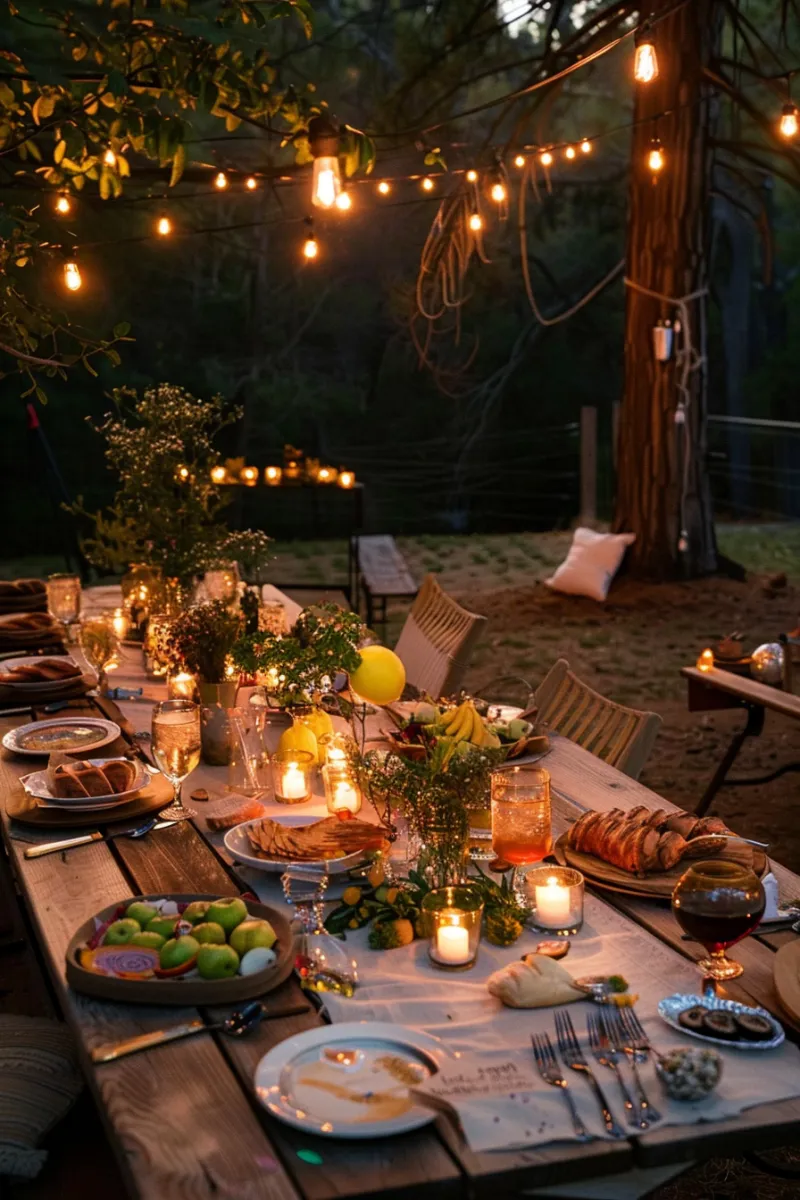
Photo: backyard supper club dinner string lights outdoor eating, via i.pinimg.com
There's a house in suburban Sacramento with a driveway that holds about twelve folding chairs. Twice a month, if you know the right person, those chairs fill up, a propane burner hisses in the garage, and a line cook from a local bistro becomes the most sought-after ramen chef in the county. There's no sign. No Yelp page. Just a group chat, a rotating guest list, and a pot of chintan that's been simmering since dawn.
Welcome to the noodle underground.
No License, No Liquor, No Problem
The pop-up scene is nothing new — food trucks and supper clubs have been part of American dining culture for decades. But something different is happening with ramen specifically. The dish demands a level of technique that used to gatekeep it: tonkotsu requires rolling boils and careful skimming, tare is a chemistry project, and noodles are best made same-day. For years, that meant you needed a restaurant to do it right.
Then came the pandemic home-cooking boom, a wave of accessible information from Japanese noodle YouTube, and a generation of line cooks who watched their industry wobble and decided to build something of their own. The result is a loose national network of home-based ramen events — some free, some donation-based, some charging $45 a head through a private ticketing link that circulates on Discord servers and Instagram close-friends stories.
The setups range from charmingly scrappy to weirdly professional. One host in Austin runs his events out of a converted two-car garage with a commercial exhaust hood he bought at auction. A former pho cook in Philadelphia hosts 'noodle nights' in her backyard under string lights, seating forty at a time on rented benches. In Portland, a husband-and-wife team operates out of a rented church kitchen, texting a drop code to 200 followers and selling out in four minutes flat.
The Gray Zone
Here's the thing everyone involved will tell you quietly: it exists in a legal gray area. Cottage food laws in most states cover baked goods and jams, not hot broth served to strangers. Some hosts operate under the umbrella of a friend's licensed kitchen. Some just... don't worry about it. The risk calculus is usually simple — small scale, word of mouth, health department attention is rare — but it means these chefs can't advertise, can't grow past a certain size, and can't take a single day off from being careful.
And yet the bowls keep coming, because the underground offers something restaurants structurally can't: total freedom. No food costs committee. No menu engineering. No investors asking why a $22 bowl of shoyu ramen needs a protein upsell. One host in Chicago told us he changes his broth style every single event purely because he feels like it — last month it was a Sapporo-style miso with sweet corn he'd driven two hours to source, next month maybe a mazemen with no broth at all. Try pitching that to a restaurant group.
Why Guests Keep Coming Back
Talk to the people in those folding chairs and a pattern emerges. They're not just there for the food, though the food is often genuinely excellent. They're there because the experience is scarce in a way that feels earned. You had to know someone. You had to be quick. You're eating ramen shoulder-to-shoulder with strangers in a driveway while the host's dog wanders between seats, and somehow that's more memorable than any tasting menu.
There's also a trust dynamic that's oddly intimate. When a chef with no brand and no safety net hands you a bowl they spent fourteen hours on, in their own home, the stakes feel different. Everyone's on their best behavior. Strangers become regulars. Regulars become friends. One guest in Sacramento met his now-roommate in line three years ago; they split the rent on an apartment and still attend every event together.
From Hobbyist to Something Else
The line between underground host and legitimate restaurateur is blurring fast. Several of the most popular garage operations have graduated into brick-and-mortars — some of the most respected new ramen shops in Los Angeles and New York started exactly this way, with a following built one secret event at a time. Investors and landlords now scout these scenes the way music scouts once trawled dive bars.
But plenty of hosts say they have no interest in making the jump. A storefront means rent, permits, payroll, and worst of all, repetition — cooking the same five bowls for whoever walks in. The garage model, for all its limitations, preserves the thing that makes the food good in the first place: it exists only when the cook wants it to.
So if you hear about a noodle night happening somewhere unmarked, with a guest list that closes in minutes and a broth that took all day — go. Eat the bowl. Thank the host. And maybe don't post the address.