Ink and Umami: How Ramen Is Inspiring a New Generation of Food Artists
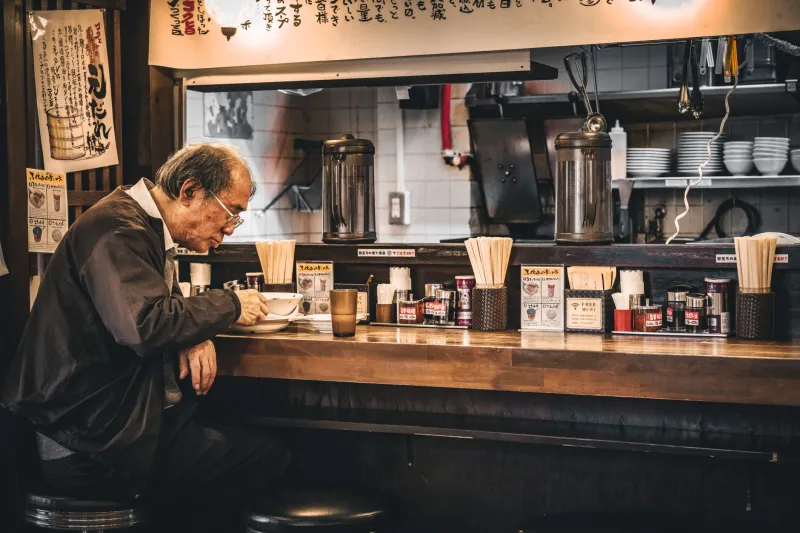
There's a woman who eats alone at the counter of a ramen shop in Portland every other Thursday. She orders the same tonkotsu every time. She's not there for the pork, exactly — she's there for the light. The way the overhead lamp hits the surface of the broth, casting a faint shimmer across the chashu, is what she came to draw.
Her name is Dani, and she's part of a loosely connected but genuinely passionate community of artists who've decided that the ramen bowl is one of the most visually compelling subjects in all of food culture. Not a photograph. Not a filter. A sketch, a watercolor, an ink study — something made by hand, in the moment, before the noodles go cold.
More Than a Meal, More Than a Moment
Food illustration isn't new. Still-life paintings of bread and fruit have been around for centuries. But something specific is happening with ramen. Unlike a plate of pasta or a sandwich, a ramen bowl is a layered composition — depth, color contrast, steam, texture, the tension between surface and substance. For artists, it's basically a gift.
"Every bowl is different," says Marcus, a freelance illustrator based in Chicago who has been sketching ramen for about three years. "The broth color, the way the egg is sliced, whether the nori is already starting to wilt — you're working with something that's constantly changing. That's exciting for a sketcher."
Marcus started posting his bowl drawings on Instagram, mostly as a personal log of places he'd visited. Then something unexpected happened: chefs started reaching out. A few asked if they could frame the drawings. One ramen shop owner in Wicker Park commissioned a full series of illustrations for his walls. "I never thought of it as professional work," Marcus says. "Now it kind of is."
The Sketch as Documentation
There's a whole corner of the ramen community that already thinks carefully about documentation — the journalers, the tasters, the people who take notes on fat content and noodle gauge like they're training for a sommelier exam. Visual sketching fits naturally into that tradition, but adds something different. A drawing captures mood in a way that a tasting note can't.
Take the practice of urban sketching, which has been a quiet movement in art circles for over a decade. Practitioners commit to drawing in real locations, in real time, without cleaning things up later. Ramen, with its steam and its impermanence, is almost tailor-made for that philosophy. You can't sketch a bowl of ramen tomorrow. It's gone.
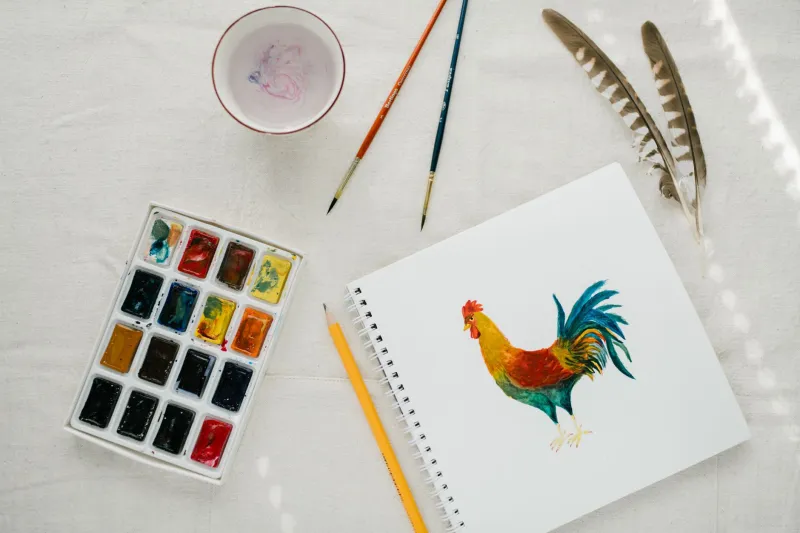
That urgency is part of the appeal. Reyna, an art teacher in Austin who sketches ramen on her lunch breaks, describes it as "drawing under pressure in the best possible way." She uses a small watercolor kit that fits in her bag. "By the time I've laid down the base wash for the broth, the noodles have already swelled. The bowl is literally changing while I work. You have to commit."
From Feed to Frame
What's shifted in the last few years isn't just the quality of the work — it's where it ends up. Ramen sketches are moving off of Instagram grids and into actual exhibition spaces. A group show in Seattle last year featured nothing but food illustrations, and nearly a third of the works depicted ramen. A small press in Brooklyn recently published a zine collecting bowl sketches from contributors across the country.
Chefs are taking notice too. For restaurant owners, a hand-drawn illustration of their signature bowl carries a different kind of weight than a styled photograph. It suggests study, attention, devotion. "When someone draws your food," says one ramen chef in Los Angeles, "it means they really looked at it. That means something."
Some shops have started inviting artists in for dedicated sketch sessions — essentially artist residencies built around a bowl. It's informal, usually just a standing invitation for a free meal in exchange for whatever gets made. But the gesture signals something real: that ramen has earned a place as a subject worthy of sustained visual attention.
What the Bowl Teaches the Artist
Ask any of these sketchers what ramen has taught them about drawing, and they'll give you some version of the same answer: it taught them to work fast and let go. There's no perfectionism in a ramen sketch. The broth is steaming, the clock is running, and the best you can do is capture the feeling of the thing before the moment passes.
That's not so different from what a great bowl of ramen does for the person eating it. It demands your presence. It rewards attention. It's gone before you're ready.
For artists who've spent years chasing the right subject, it turns out the right subject was sitting at a counter, under a warm light, asking to be seen.