Here Today, Gone Tomorrow: The Real Reason Your Favorite Ramen Shop Never Stops Changing Its Menu
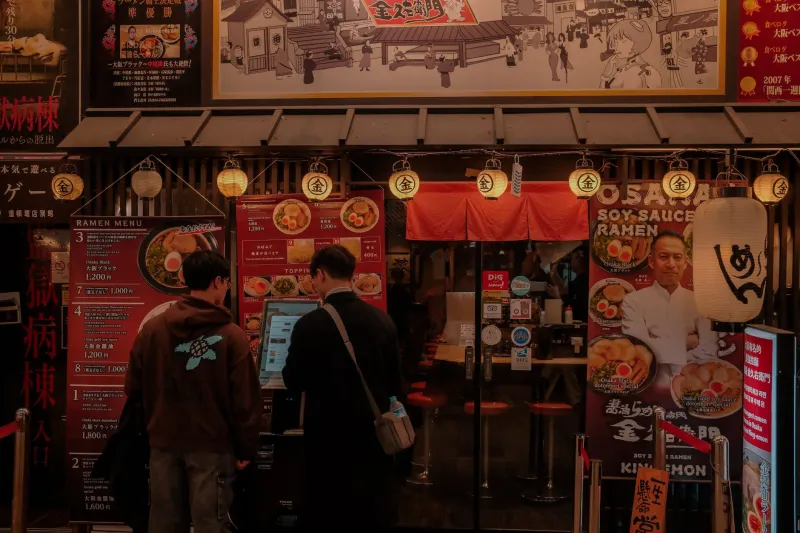
You've been there. You find a bowl that ruins all other bowls for you. You make a mental note to bring your partner, your coworker, your skeptical friend who still thinks ramen is a dorm room thing. You go back two weeks later and the server tells you it was a limited-time special. It's not coming back.
This is life as a ramen regular in America right now. And it's not accidental.
The Kitchen That Can't Stand Still
Talk to enough ramen chefs and a pattern emerges quickly: the menu is never finished. Not because they don't know what they're doing — usually the opposite. The chefs most committed to craft are often the most relentless about changing what they serve.
"If I'm cooking the same thing every single day without questioning it, I stop learning," says one chef who runs a small ramen counter in Nashville. He rotates a seasonal special every four to six weeks, sometimes more frequently if something inspires him. "The limited-time bowl is where I do my actual cooking. The regular menu is where I perform."
That distinction — between cooking and performing — shows up again and again. The core menu is reliable, consistent, the thing that pays rent. But the rotating specials are where chefs experiment, push themselves, and keep their skills sharp. For them, the churn isn't chaos. It's the whole point.
The Business Case for FOMO
Let's be honest about something: the perpetual rotation isn't purely artistic. It works as a business strategy too, and most chefs will admit it.
Limited-time offerings generate buzz in a way that permanent menu items simply don't. A special bowl gets posted, shared, talked about. It creates urgency. Customers who might have waited another month to come in suddenly feel like they need to go this weekend. That's not manipulation — it's just how attention works in a crowded food market.
"We had a collaboration bowl with a local miso producer that sold out in three days," says a ramen shop owner in Denver. "Our regular shio ramen has been on the menu for four years and it almost never gets posted about. The limited thing gets people excited in a way that permanence just doesn't."
Social media has turbocharged this dynamic. The ramen community online is deeply engaged, and a new bowl is content in a way that the same reliable bowl isn't. Shops that rotate frequently tend to accumulate followers who check in regularly just to see what's new. That's a loyal audience — even if what they're loyal to is the novelty itself.
What It Costs the Regular
For devoted customers, the constant churn has a real downside. There's a particular kind of grief that comes with losing a bowl you loved, especially when it disappears without warning. Regulars build relationships with specific menu items. They develop rituals around them. When those dishes vanish, it can feel like a small but genuine loss.
"I had a bowl at a spot in Philadelphia — a yuzu shio with house-cured pork — that I thought about for months after it left," says one ramen regular who travels frequently for work and plans meals around shops. "I've never been able to replicate that experience. I've tried going back and ordering something else, but it's not the same."
This is the tension at the heart of the rotating menu: the very thing that makes a shop feel alive and creative is also the thing that makes it impossible to fully rely on. You can become a regular without ever being able to count on what you'll find.
Some chefs are thinking carefully about this. A few shops have started bringing back popular specials on a predictable seasonal cycle — essentially giving beloved limited bowls an annual return date. Others maintain a small "vault" of retired specials that regulars can request with advance notice. It's a way of honoring the emotional investment customers make without sacrificing creative freedom.
Does More Actually Mean Better?
There's a harder question underneath all of this: does constant innovation actually improve the ramen experience, or does it just create the feeling of improvement?
Some of the most respected ramen shops in Japan — and increasingly in the US — do the opposite. They refine a single bowl over years, sometimes decades. The goal isn't variety; it's depth. Every change is incremental, invisible to most customers, aimed at making the same bowl more itself.
That approach doesn't generate the same kind of social media traction. It doesn't create FOMO. But it creates something else: a bowl you can trust completely, every single time.
The ramen world probably has room for both philosophies. The shops that rotate constantly keep the culture moving, keep chefs learning, keep customers engaged. The shops that stay still build something harder to find — the kind of reliability that eventually becomes legendary.
The trick, as a customer, is knowing which kind of shop you're walking into. And deciding which kind of experience you actually need that day.