Where the Night Ends: Inside the Ramen Shops That Never Turn the Sign Off
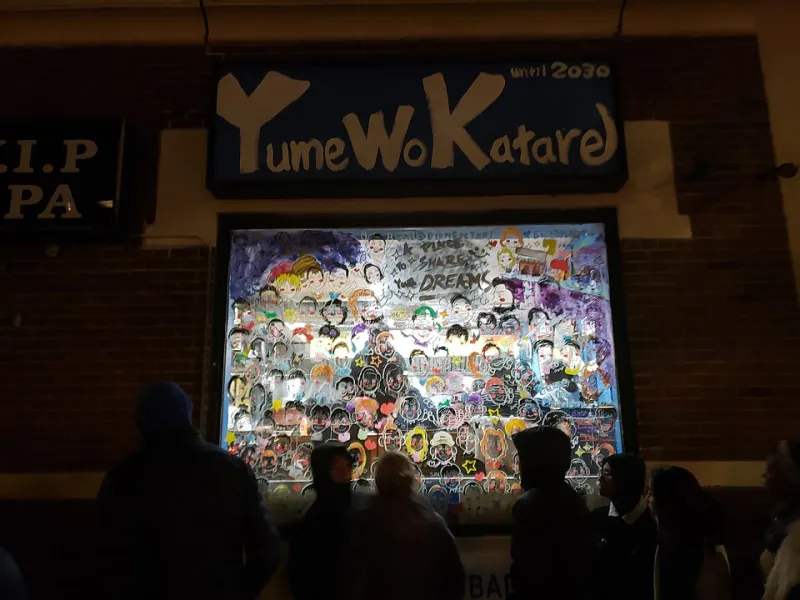
Photo: Josh Lim (Sky Harbor), CC BY-SA 4.0, via Wikimedia Commons
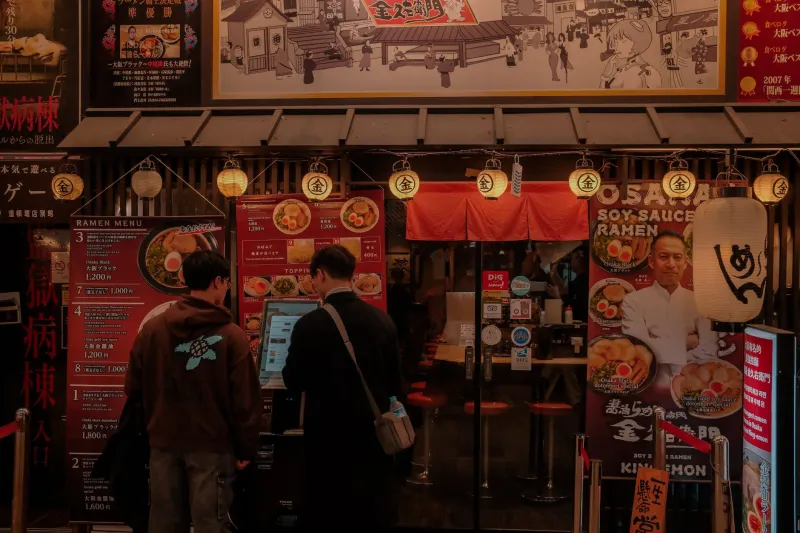
At 1:47 a.m. on a Saturday in Chicago's Wicker Park, the sidewalk outside the bar district is a slow river of people moving in one direction, and about a third of them are drifting toward the same glowing storefront: a twelve-seat ramen counter that doesn't close until 4.
Inside, the air smells like pork fat and beer someone else already drank. A cook named Denny — I'll come back to Denny — is working the line alone, headphones around his neck, building bowls with the calm efficiency of a man who has made ten thousand of them and expects to make ten thousand more.
The 2 A.M. Regulars
Every late-night ramen shop has a taxonomy of customers, and the staff can recite it like field guides.
There are the service-industry stragglers: bartenders, servers, and dishwashers from nearby spots who finish their shifts after everyone else's and need something real in their stomachs. They sit at the counter, order fast, tip huge, and talk shop with whoever's cooking. They're the backbone of the late crowd and the reason the staff never rush anyone out.
There are the night-shift workers — nurses and EMTs from the hospital six blocks over, coming off twelve hours of the kind of night most of us never see. For them, the bowl isn't a party. It's a decompression chamber. They eat quietly, phones face-down, and the regulars have learned to give them space.
Then there are the partiers, the couples mid-fight, the first dates that went long, the guy who's been crying at the counter for twenty minutes while working through a large tonkotsu and, somehow, feeling better. Nobody judges. The counter at 2 a.m. is one of the last truly non-judgmental rooms in American public life.
Denny's Rules
Denny, who's worked the late shift at three different noodle shops over nine years, has a philosophy he shares between tickets. 'Daytime ramen is about the food,' he says. 'Nighttime ramen is about the person.' His rules: never comment on anyone's state of mind, keep the water glasses full, and if someone orders extra noodles and doesn't finish them, that's between them and the bowl.
The kitchen itself runs differently at night, too. The menu narrows to a handful of bowls the line can execute solo. The broth is in its most reduced, most concentrated state — simmered longest, flavor deepest. Late-night regulars swear the 3 a.m. tonkotsu is the best version of the shop's broth all day, and science is sort of on their side: that pot has been going the longest, and time is the whole point.
Why It Matters
There's a version of American food culture that only celebrates the daytime: brunch, lunch service, the farmers market. But cities run on a second shift, and that shift needs to eat. Before late-night ramen shops proliferated, the after-hours options were mostly pizza slices, drive-thru windows, and regret. A hot, restorative bowl of noodles — something with actual care in it, made by an actual person — was a small revolution in the 2 a.m. economy.
It's also a quiet bridge between cultures. The Japanese tradition of the late-night ramen-ya, serving salarymen after the last train, maps almost perfectly onto the American after-bar crowd. Different cities, same human need: warmth, salt, fat, and a seat where no one asks anything of you.
By 3:30, the room empties. Denny wipes the counter, tastes the broth one last time, and starts writing tomorrow's prep list. Outside, the streetlights hum over an emptying block. Somewhere in the back, a pot keeps simmering — because in three hours, the day crew arrives, and the bowl begins again.