Drink It Like a Critic: How to Actually Taste Ramen Broth the Way Professionals Do
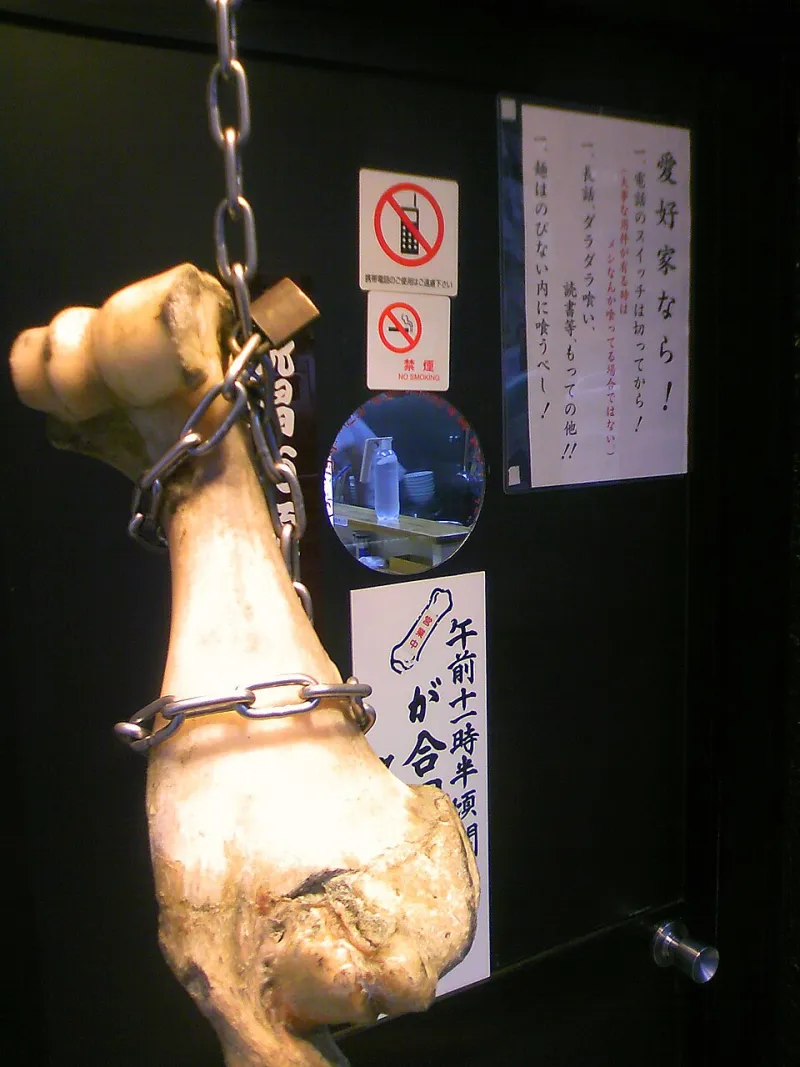
Photo: kc7fys, CC BY-SA 2.0, via Wikimedia Commons
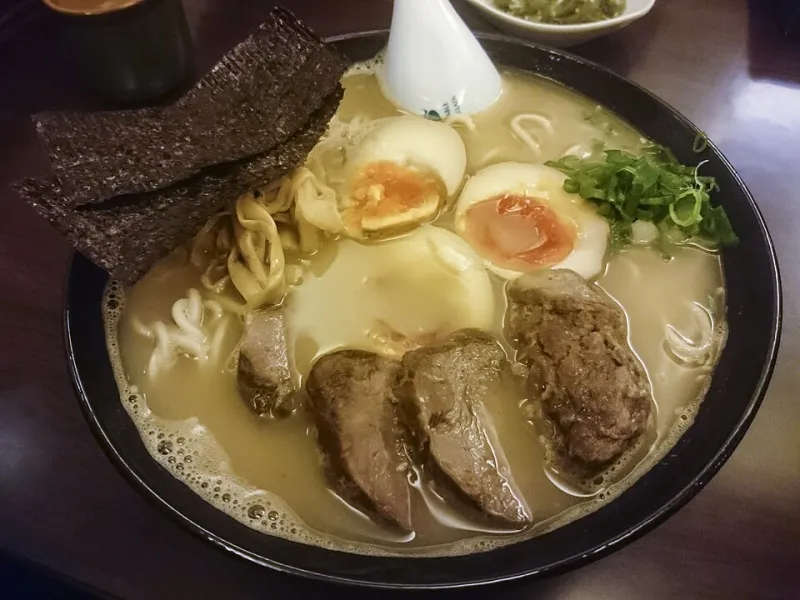
Somewhere between your third and fourth bowl of tonkotsu, something shifts. You stop just eating and start noticing. The way the fat coats the back of your throat. The faint sweetness underneath all that pork intensity. The way the salt hits your tongue before the deeper flavors catch up a second later.
That shift? That's your palate waking up.
Wine has sommeliers. Whiskey has master blenders. Coffee has Q graders who spend years training their noses and tongues to detect differences most people would never catch. Ramen broth, for all its depth and complexity, hasn't quite gotten that same formal treatment in the American food conversation — but it absolutely deserves to.
If you've ever wanted to go deeper than "this is really good" when you're sitting at the counter of your favorite noodle shop, here's how to start tasting broth the way chefs and serious ramen enthusiasts actually do it.
Start Before the Spoon Even Hits the Bowl
The first thing any trained taster will tell you is that evaluation begins before you taste anything at all. Aroma is your preview — and it carries more information than most people realize.
When a bowl of ramen lands in front of you, resist the urge to dive in immediately. Lean in slightly and take a slow, deliberate inhale. What you're looking for are layers. A well-made shoyu broth, for example, might hit you first with a sharp, fermented soy note, then open into something warmer and more savory — roasted chicken, caramelized aromatics, maybe a whisper of charred scallion. A good miso broth might smell almost funky at first, then sweeten as it cools slightly.
If the aroma is flat or one-dimensional, that's information too. Broth that smells like nothing but salt is telling you something about how it was made.
The First Sip Is the Most Important One
Before you mix anything, before you stir in the tare or the aromatic oil sitting on the surface, take a clean spoonful from the center of the bowl. This is your baseline.
Professional tasters often break a first sip into three distinct moments: attack, mid-palate, and finish.
Attack is what you notice in the first half-second — usually salt and fat. A broth with a strong attack feels bold and immediate. One with a soft attack might be more subtle, asking you to pay closer attention.
Mid-palate is where the complexity lives. This is when umami starts to show up, when the animal proteins from a long-simmered bone broth begin to register as something rich and almost savory-sweet. Chefs sometimes describe this as the "body" of the broth — how full or hollow it feels across the whole tongue.
Finish is everything that happens after you swallow. Does the flavor linger? Does it fade cleanly? Does it leave a slight bitterness, or does it trail off into something warm and round? A broth with a long, complex finish is generally a sign of serious cooking time and quality ingredients.
What Mouthfeel Is Actually Telling You
Mouthfeel is one of those words that sounds pretentious until you understand what it's measuring — and then it becomes indispensable.
In ramen, mouthfeel is largely a function of collagen and fat. A tonkotsu broth that's been simmered for 12-plus hours will have a distinctly silky, almost viscous quality because of the gelatin released from pork bones. That coating sensation on your lips and the inside of your cheeks? That's collagen doing its job.
A lighter chicken paitan will have a similar richness, though usually slightly thinner. A clear Tokyo-style shoyu might feel almost watery by comparison — which isn't a flaw, it's a design choice. The thinness lets the soy and dashi notes come through without interference.
When you're evaluating mouthfeel, ask yourself: Does this broth feel appropriate for what it's trying to be? A heavy, fatty mouthfeel in a delicate shio broth would be out of place. In a tonkotsu, it's the whole point.
Training Your Umami Detector
Umami is the hardest of the five basic tastes to consciously identify, mostly because we're not trained to name it the way we name sweet or salty. But once you learn to feel for it, you'll notice it everywhere — and its absence just as quickly.
In broth, umami comes from glutamates (heavily present in kombu, aged soy, and long-cooked animal proteins) and nucleotides (found in dried fish like katsuobushi and niboshi). These compounds interact synergistically — meaning a broth built on both sources of umami will taste significantly more intense than one built on just one.
A practical way to train yourself: taste a light dashi on its own sometime. It should have a clean, oceanic depth that's hard to pin down but unmistakably savory. Then taste a straight chicken stock. Different source, similar underlying sensation. Start recognizing that sensation as its own distinct category, separate from salt, and your ability to evaluate broth will jump almost immediately.
The Role of Tare and Aromatic Oil — And Why You Should Taste Around Them
One of the things that makes ramen evaluation genuinely tricky is that the broth you're tasting isn't just broth. Most ramen is built from a base soup (the stock), a seasoning component (tare), and often a finishing oil. These are typically combined at the last moment, which means what's in your bowl is a collaboration between multiple elements.
Experienced tasters learn to mentally separate these components. The saltiness you're detecting is mostly tare. The fragrance that hits you when the bowl arrives is often the aromatic oil — chicken fat, scallion oil, sesame, whatever the chef chose. The underlying body and depth is the stock itself.
When you're at a restaurant you trust, it's completely reasonable to ask your server about the construction of the broth. Most ramen-focused spots are happy to talk about it, and understanding the architecture of what you're tasting makes the whole experience richer.
Building Your Reference Library
The best palate-training tool available is repetition with intention. Professional tasters in any category — wine, cheese, chocolate, coffee — develop their skills by tasting the same things repeatedly and building a mental library of reference points.
For ramen, that means eating broadly and paying attention every time. Try the same style at different shops and notice what changes. Order tonkotsu at three different places in your city and compare the mouthfeel, the finish, the fat content. Try a shio broth after a heavy tonkotsu and notice how your perception shifts.
Keep notes if you're serious about it. Even a few words jotted in your phone — "roasty, long finish, low salt" — give you something to compare against next time.
You Don't Need a Certification to Taste Like a Pro
Here's the thing: there's no official ramen sommelier credential in the US (though Japan has a ramen inspector certification that's genuinely rigorous). You don't need a title to develop a serious, thoughtful relationship with broth.
What you need is curiosity, some vocabulary to hang your observations on, and a willingness to slow down and actually pay attention to what's in front of you. Ramen rewards that kind of attention. The chefs who make it — often putting in 10, 12, 16 hours on a single stock — are hoping you'll notice.
So the next time a bowl lands in front of you, lean in first. Take that slow inhale. Give it a clean first sip before you mix anything. Follow the flavor from attack to finish.
Then eat the rest of it with everything you've got. That's the whole point anyway.