Order by Feeling: The Art of Choosing Your Ramen Based on Where Your Head Is At
Photo: ramen bowls variety tonkotsu shoyu miso different styles Japanese noodles, via s-i.huffpost.com
You've been there. You walk into a ramen shop after a genuinely terrible day, scan the menu, and something pulls you straight toward the richest, heaviest bowl on the board. No deliberation. No second-guessing. Just a quiet, almost primal understanding that tonkotsu is what's happening tonight.
That instinct? It's not random.
Across the country, a loose but real conversation is building among ramen chefs, regulars, and food-minded folks who believe that the bowl you choose — the broth, the noodle weight, the toppings — reflects something deeper than appetite. Call it mood-based pairing. Call it edible self-awareness. Whatever the label, the practice is gaining traction, and it maps onto food science in ways that are genuinely worth understanding.
The Wine World Already Figured This Out
Sommeliers have spent decades building a language around emotional resonance and beverage choice. A heavy Burgundy for a contemplative evening. A crisp Albariño when the energy is light and celebratory. The idea that what we drink (or eat) should match our internal weather isn't fringe — it's a cornerstone of hospitality culture.
Ramen, it turns out, is a natural fit for the same framework. The bowl has more variables than most dishes: broth base, fat content, salt intensity, noodle thickness and texture, tare style, temperature, and toppings that can swing the whole experience from grounding to electric. That's a lot of levers. And each one lands differently depending on what your nervous system is actually asking for.
"I started noticing patterns in my regulars," says one ramen shop owner in Portland who asked to keep his name out of it but has been running his counter for seven years. "The people who come in looking stressed, shoulders up around their ears — they almost always go for the tonkotsu. The people who come in bright-eyed, maybe before work or after a workout, they go lighter. Shoyu, shio. It's not a rule, but it's consistent enough that I pay attention to it now."
Breaking Down the Broth by Mood
Let's get specific, because the differences between broth styles aren't just culinary — they're sensory and psychological.
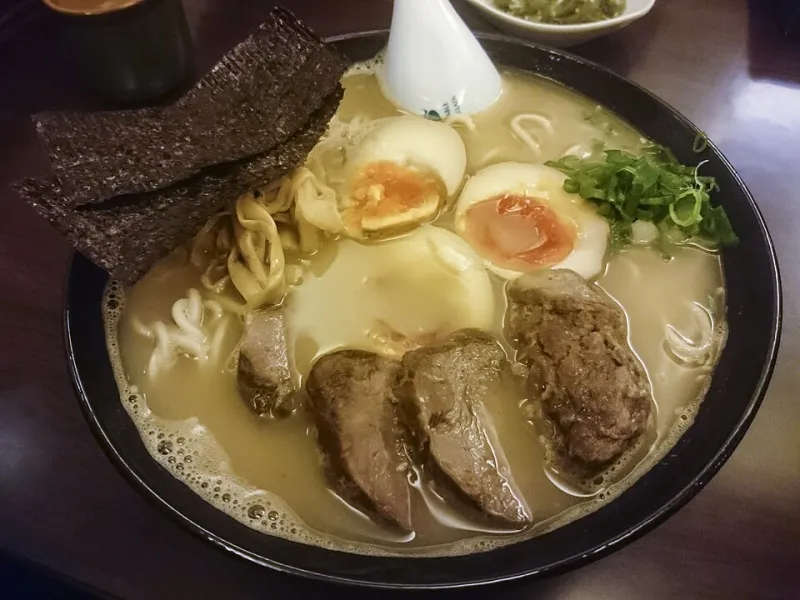
Tonkotsu is the heavy hitter. Pork-bone broth cooked for hours until it turns opaque and almost creamy, it's high in fat, glutamates, and collagen. The mouthfeel is thick and coating. For people who study the gut-brain axis — the communication highway between your digestive system and your emotional state — fat-rich, umami-dense foods are known to trigger a genuine sense of satiation and calm. Tonkotsu on an anxious day isn't indulgence. It's regulation.
Shoyu (soy sauce-based broth) tends to run clearer, sharper, and more aromatic. The salt hits cleanly. The depth is there, but it doesn't sit heavy. Regulars who gravitate toward shoyu on focused mornings or before mentally demanding afternoons often describe it as "clean" or "clarifying" — language that lines up with how moderate sodium and lighter fat content affect alertness without the sedating weight of a richer bowl.
Shio (salt-based, often with a seafood or chicken backbone) is the most delicate of the major styles. Pale, almost translucent, with a brightness that lets individual ingredients sing. This is the bowl people reach for when they want to feel light — not empty, but unburdened. It's celebratory without being excessive. A good shio on a genuinely good day is one of the more underrated pleasures in the food world.
Miso sits in interesting middle ground. Fermented, complex, earthy — it has a warmth that feels almost medicinal. The fermentation component brings actual probiotics into the equation, and the umami is rounded rather than sharp. Miso ramen regulars tend to describe it as their "sick day" bowl or their "I-need-comfort-but-not-heaviness" order. It's nurturing in a different register than tonkotsu.
Noodles and Toppings Aren't Just Extras
The mood-pairing conversation doesn't stop at broth. Noodle texture plays a real role in the experience.
Thicker, wavy noodles carry more broth with each bite, amplifying the weight and richness of the bowl. They slow you down. Thin, straight noodles move faster, keep things cleaner, and pair better with the lighter broths that call for more presence and less sedation. Choosing a thick noodle in a shio broth creates friction — the texture promises more than the broth delivers. Matching them intentionally changes the whole arc of the meal.
Toppings follow the same logic. Soft-boiled eggs (ajitsuke tamago) add a fatty, silky element that deepens the grounding effect of heavier bowls. Bamboo shoots (menma) bring a crunch and brightness that lifts lighter broths. Spicy tare or chili oil shifts the whole bowl toward stimulation — heat triggers endorphin release, which is a legitimate physiological response, not just a preference. People who add a lot of spice to their bowls are often doing something their bodies are asking for, whether they know it or not.
What Regulars Actually Say
A few voices from ramen shop regulars around the country paint a pretty clear picture.
A Chicago-based graphic designer who eats ramen two or three times a week has her own internal system: "Tonkotsu is my Sunday bowl. It's when I have nowhere to be and I just want to feel held. Shoyu is my Tuesday lunch. I need to think after, so I want something that doesn't make me want to take a nap."
A regular at a Nashville shop put it differently: "I never really thought about it until I noticed I always order spicy miso when I'm frustrated about something. Like, I'm literally trying to burn it out. Now I kind of check in with myself before I order. It's become this little ritual."
That word — ritual — comes up a lot. And it's probably the most accurate frame for what mood-based ramen selection actually is. Not a science. Not a rule system. A practice. A moment of intentional attention to what you're actually feeling before you decide what you need.
The Bowl as a Check-In
There's something quietly powerful about a meal that asks you to pay attention before you eat it. Most of the time, food is reactive — you're hungry, you order, you eat. Mood-based ramen selection flips that sequence. It asks: what do I actually need right now?
That's not therapy. It's not even that serious. But it's a small act of self-awareness that happens to come with a really good bowl of noodles at the end of it. And in a culture that moves fast and eats faster, slowing down long enough to match your order to your emotional state might be the most underrated thing you can do at a restaurant.
Next time you're standing at the counter, give it a shot. Don't just look at the menu. Check in with yourself first. Your instincts probably already know what you need. The bowl is just waiting to confirm it.