The Real Price of the Bowl: What Your Ramen Actually Costs and Why It's Worth Every Cent
Photo: Alpha from Melbourne, Australia, CC BY-SA 2.0, via Wikimedia Commons
Somewhere in America right now, someone is staring at a ramen menu and doing the math. Twenty-two dollars for a bowl of noodles? They're not trying to be rude — they're genuinely puzzled. In their head, ramen is dorm room food, a 25-cent packet, a quick fix. That mental image is the single biggest obstacle facing quality ramen restaurants across the country.
The gap between what ramen costs to make right and what diners expect to pay for it is real, and it's quietly threatening some of the best small shops in the US. So let's actually talk about the money.
The Ingredients Aren't Cheap — Especially the Imported Ones
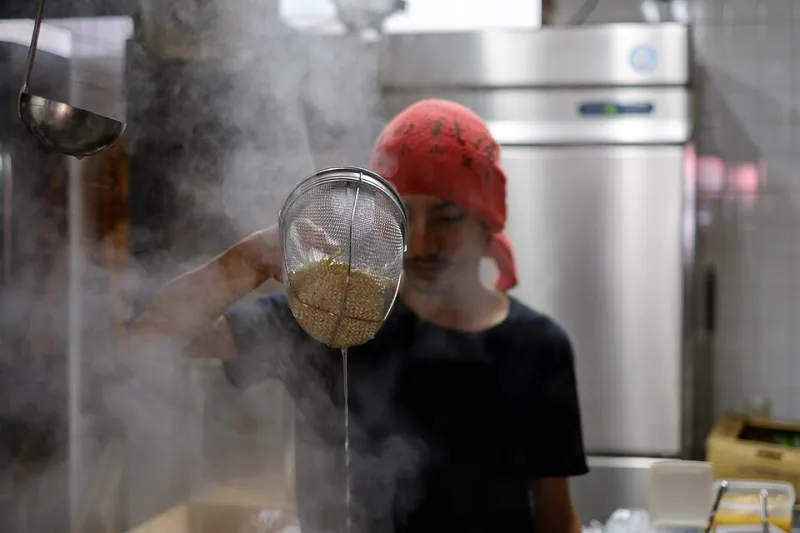
Start with the noodles. A serious ramen shop isn't buying generic pasta. Many source directly from Japanese noodle manufacturers — places that have spent decades perfecting the alkaline water ratios and wheat flour blends that give ramen its specific chew, color, and texture. Importing those noodles adds cost at every step: manufacturing, shipping, customs, cold storage.
Some American shops have started working with domestic producers who can approximate the quality, which helps. But the best operations are still paying a premium for the real thing, and that cost goes straight into the bowl price.
Then there's the tare — the concentrated seasoning base that defines whether a broth is shoyu, shio, or miso. Quality soy sauce aged in traditional barrels, white miso from small producers in the Midwest or imported from Nagoya, sea salt sourced for mineral content rather than just salinity. These aren't line items you cut without the customer noticing.
Add in the chashu pork (often sourced from heritage breed farms to get the right fat-to-lean ratio), soft-boiled eggs marinated for 24 hours in a house blend, nori, bamboo shoots, and whatever seasonal toppings the kitchen is running — and you're looking at ingredient costs that can hit $8 to $12 per bowl before a single person has touched a pan.
The Broth Problem: Time Is Money, Literally
Here's the part that doesn't show up on any menu but is baked into every price: ramen broth takes a very long time to make.
A proper tonkotsu broth runs 10 to 14 hours. Chicken paitan might go 6 to 8. Shoyu tare can take a separate day of preparation. Multiply that by the volume a restaurant needs to operate, factor in the gas or electricity to keep those pots going, and you start to understand why broth is expensive before it's even been ladled into a bowl.
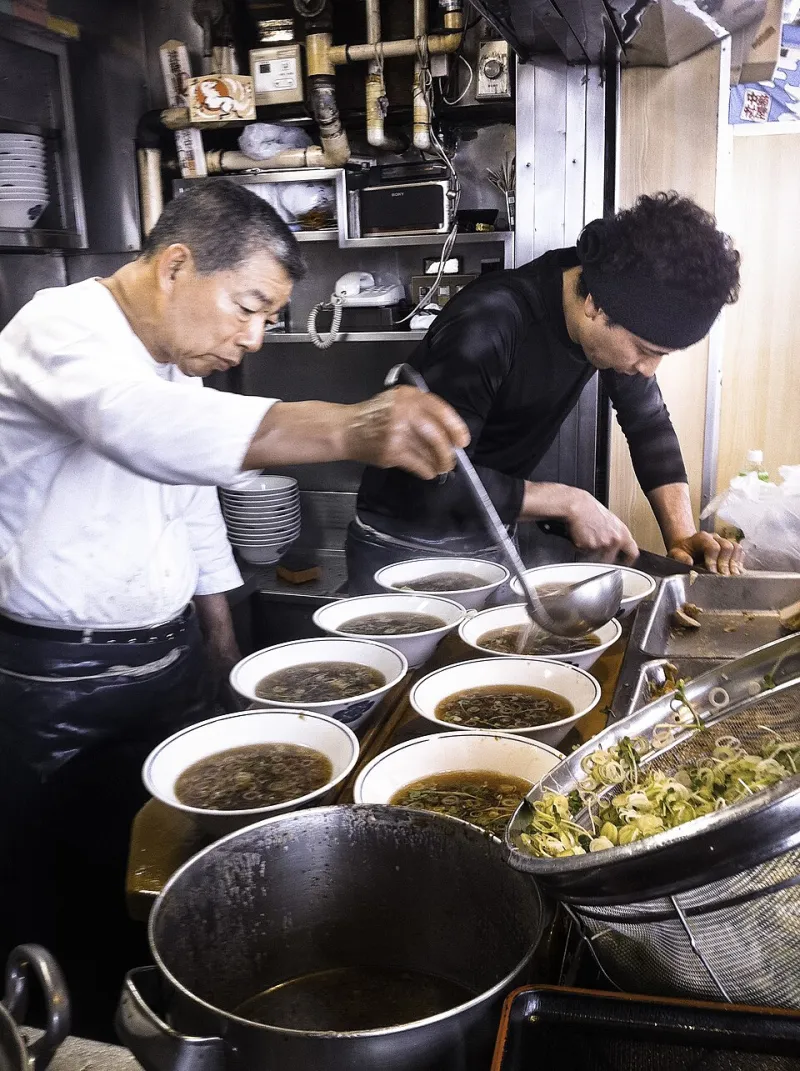
"We start our broth at 3 AM," one ramen shop owner in Chicago told us. "By the time we open at 11, we've already been working for eight hours. That labor isn't free."
Labor is, in fact, the largest single cost for most ramen operations. Skilled kitchen staff who understand the nuances of broth management, noodle timing, and topping preparation aren't minimum-wage hires. And in most major American cities — New York, Los Angeles, Seattle, Chicago — the cost of employing a competent kitchen team has climbed steadily over the past several years.
Rent, Volume, and the Math That Barely Works
Ramen restaurants occupy an awkward economic space. They're not fast food — the product requires real skill and time to produce. But they're also not fine dining, where a $22 dish is considered modest. They sit in a middle zone where the expectation is quick service, consistent quality, and accessible pricing, all delivered by a kitchen running at full capacity.
In a city like San Francisco or Manhattan, a modest restaurant space can run $8,000 to $15,000 a month in rent. Utilities, insurance, permits, equipment maintenance — these costs don't flex. They're fixed, and they hit the P&L whether the shop sells 80 bowls that day or 200.
The margin on a $20 bowl of ramen, after ingredients, labor, and overhead, often lands somewhere between $3 and $5. That's not a typo. The economics of a well-run ramen shop are tight in a way that most diners simply don't see.
Why Transparency Is Starting to Win
A growing number of ramen shop owners are experimenting with something unusual: just telling people the truth.
Some are posting breakdowns on their menus or websites — showing exactly where the money goes. Others are hosting community dinners where they walk guests through the production process, from bone prep to final garnish. The feedback has been largely positive. When people understand what they're paying for, they tend to stop resenting the price and start appreciating the value.
It's a shift in how the relationship between restaurant and customer is framed. Instead of "here's a bowl, pay for it," it becomes "here's what we made for you, and here's why it took us 14 hours."
That kind of transparency builds loyalty. And loyal customers — the ones who come back twice a month instead of once, who bring friends, who order the extra side of chashu — are the ones keeping small ramen shops solvent.
What You're Actually Buying
When you sit down at a quality ramen counter in America and order a bowl, you're not just buying noodles in broth. You're buying the sourcing decisions of an owner who cared enough to import the right soy sauce. You're buying the labor of a cook who arrived before sunrise. You're buying the years of practice behind the knife work on that pork belly.
You're also, honestly, buying a piece of culture — a food tradition with centuries of history that someone has worked hard to bring to your city with integrity intact.
Twenty-two dollars for that? At Menya Mugen, we think that's a bargain. The bowl is infinite. The soul behind it is real. And the people making it deserve to keep their doors open.