Timeless or Trendy? The Ramen Styles That Will Still Matter Two Decades From Now
Every food culture eventually has its reckoning. The moment when the hype cools, the novelty wears off, and what's left standing is either a genuine classic or an embarrassing artifact of whatever was happening on social media that year. Ramen in America is getting close to that moment — and the question of which bowls survive the long haul is one worth asking seriously.
We spent time talking to working ramen chefs, a couple of food historians who've been watching Japanese culinary culture cross the Pacific for decades, and enthusiasts who've been filling their passports with noodle stamps since before TikTok existed. What they told us was more nuanced — and more hopeful — than a simple list of winners and losers.
Why Some Bowls Stick
There's a useful framework that keeps coming up in these conversations: the difference between a bowl that satisfies a craving and a bowl that creates one. Trendy ramen, almost by definition, satisfies something that already exists in the cultural moment — a hunger for novelty, a need for a shareable visual, a fleeting obsession with a single ingredient. Classic ramen does something harder. It makes you want something you didn't know you wanted before you tasted it.
That distinction matters because it points toward what gives a style longevity. Tonkotsu, for example, didn't conquer American palates by being photogenic. It conquered them by being almost aggressively itself — rich, funky, deeply savory in ways that American diners had never quite encountered before. The bowl asked something of you. And that ask turned into devotion.
Food historian and Japanese cuisine scholar Dr. Linda Tamura, who's been documenting the American ramen migration for over fifteen years, puts it plainly: "The styles that last are the ones rooted in a place and a process. When you can tell the story of where a flavor came from — geographically, historically, technically — people hold onto that. It becomes knowledge, not just consumption."
The Styles With Real Staying Power
Among the chefs we spoke with, a few styles came up repeatedly as candidates for the permanent American ramen canon.
Tonkotsu is the obvious one, and its durability isn't accidental. The Hakata-style bowl has already survived multiple waves of American food trends and emerged more entrenched each time. Its complexity rewards deeper understanding — the more you know about tare, noodle alkalinity, and the specific character of Kyushu pork, the more you appreciate what you're eating. That kind of depth is exactly what turns casual fans into lifers.
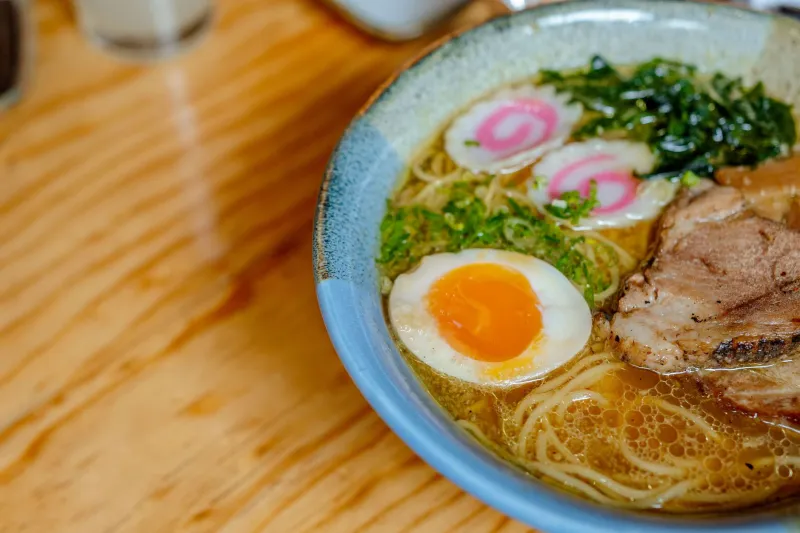
Shoyu ramen — particularly the old-school Tokyo style with its clear, amber broth — is having a quiet renaissance that several chefs believe signals long-term cultural staying power. "Shoyu is the bowl that teaches you to taste," said one Chicago-based chef who spent three years staging in Japan. "Once you really get it, you can't un-get it. It becomes your baseline for everything."
Shio ramen is perhaps the most interesting case. Its delicacy makes it the hardest to execute and the easiest to overlook. But chefs who've mastered it are almost evangelical. The argument for shio's staying power is essentially the argument for any refined, subtle cuisine: once American palates develop enough sophistication to truly appreciate it, the love runs deep.
The Trendy Bowl Problem
Not everyone is optimistic about every style currently filling Instagram feeds. Several chefs were candid about their skepticism toward what one called "the novelty arms race" — the escalating pressure to put something unexpected in or on a bowl to generate buzz.
Black garlic oil ramen built around a single viral ingredient. Fusion mashups that treat ramen as a delivery vehicle for something else entirely. Dessert ramens. Limited-edition collaborations between ramen shops and snack brands. These exist, they generate lines, and some of them are genuinely delicious. But the chefs we talked to were skeptical that any of them represent a lasting contribution to the form.
"There's a version of ramen culture that's really just novelty culture wearing a noodle costume," said one West Coast chef who asked to remain unnamed. "I don't think those bowls will be remembered. They're not trying to be remembered. They're trying to be shared."
The distinction isn't about purity — several chefs pushed back hard on the idea that only traditional Japanese styles deserve longevity. American ramen innovation is real, and some of it is genuinely additive. The question is whether an innovation deepens the form or just decorates it.
What American Ramen Culture Is Actually Building
The optimistic read — and it's one that plenty of people in this conversation share — is that American ramen culture is currently in the middle of building something durable. The first wave was discovery. The second wave was obsession. The third wave, which we may be entering now, is understanding.
More American diners can talk about tare. More home cooks are making broth from scratch. More cities have shops where the chef has spent meaningful time in Japan, not just watched YouTube videos about Japan. That accumulation of knowledge is exactly the kind of cultural substrate that produces lasting food traditions.
"Twenty years from now, I think the bowls we'll still be talking about are the ones that taught people something," says Tamura. "The ones where eating became a form of learning. That's how cuisines embed themselves in a culture. Not through trends. Through understanding."
The Bowl That Earns Its Place
If there's a throughline in all of these conversations, it's that the ramen styles most likely to define American culture two decades from now are the ones that ask the most of the people eating them. Not the most in terms of price or exclusivity — but the most in terms of attention, curiosity, and willingness to develop a palate.
The bowl that makes you want to know more. The one that sends you down a rabbit hole of regional variations, noodle chemistry, and broth philosophy. The one that, the more you understand it, the more you realize you don't fully understand it yet.
That bowl isn't going anywhere. And honestly, that's the whole point.